Recently, occupational pressures and fears of safety concerns in critical operational facilities have increased over the past decades. In Nigeria, the work environment is getting precarious for businesses in different sectors as they are daily exposed to worsening safety situations.
News & Article
Category: Fire Safety Strategy
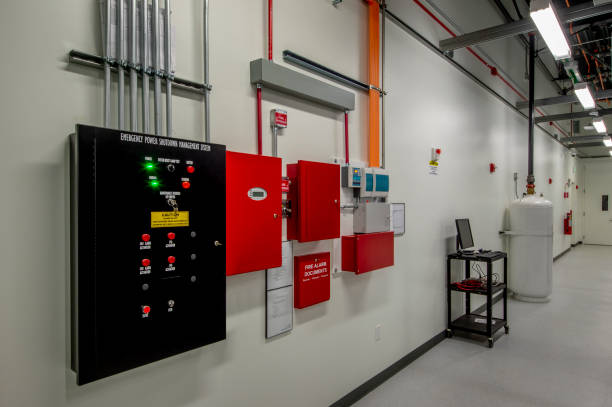
ENSURING SAFER BUILDINGS – DESIGN CONSIDERATION FOR BUILDING STRUCTURAL INTEGRITY AGAINST COLLAPSE STRUCTURAL INTEGRITY CONSIDERATION AGAINST COLLAPSE IN CASE OF FIRE, ENSURING SAFER BUILDINGS Ensuring the adequacy and availability of Safety Management Systems through the life cycle of a facility is a daunting task for Concept Owner, Architects, developers. Engineering & Construction firms and Operators are inclusive of facility Managers. Lots of companies and professionals and companies have faced extensive ligation and license revoking due to grave consequences resulting from this weakness. For Life and Fire Safety, the fire code is a model code adopted by Authorities having Jurisdiction and enforced by fire prevention officers. It complements the Building Code (IBC) prescribing minimum requirements to prevent fire and explosion hazards arising from storage, handling, or use of dangerous materials, or from other specific hazardous conditions within municipal fire departments…

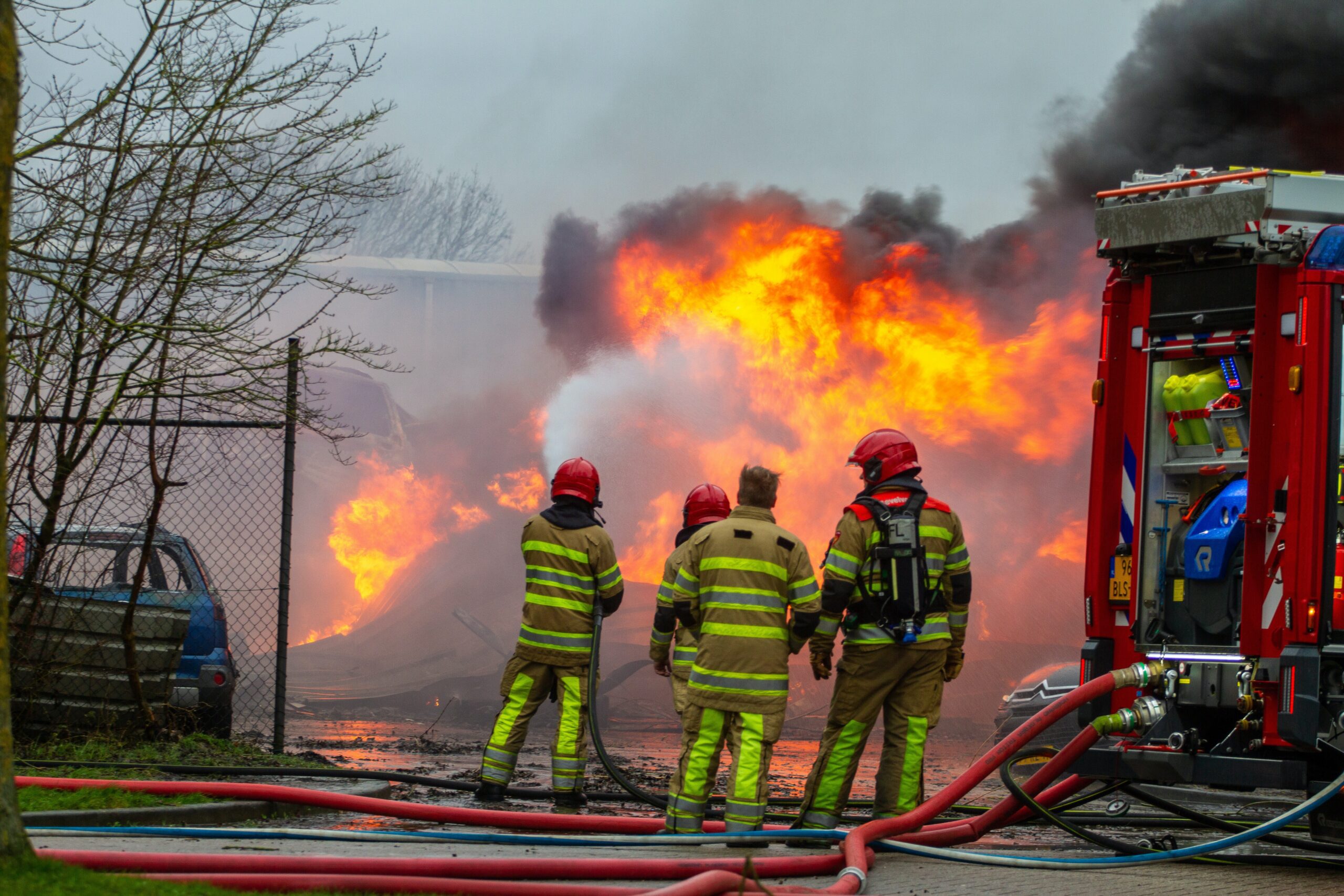
The occurrence of fire disasters is not a new phenomenon in Ghanaian history. The 1983 fire that engulfed Ghana which led to a severe hunger crisis is perhaps the most notable fire reference point in the country. Recently, fire disasters have taken place in public facilities of strategic value. The Kumasi market fire of December 2012 (where over 150 shops were razed down); other places affected by fire are offices of the Electoral Commission, the Ridge Residence of former President Rawlings, ministry of Education amongst many others. Between January and October 2019, Ghana recorded a total of 4623 fire outbreaks. Also, from January to October 2020 a surge to 5355 incidents (representing about 35.6%) domestic rise was reported by Joy Watch.

In a bid to understand high level engineering professionalism, I have come to understand safety to be an integral part of conceptual, detailed design as well as implementation of engineered systems. As a design engineer, codes and standards forms the bedrock of it all and the compliance benchmarks to which such systems are measured.
Recently, occupational pressures and fears of safety concerns in critical operational facilities have increased over the past decades. In Nigeria, the work environment is getting precarious for businesses in different sectors as they are daily exposed to worsening safety situations.

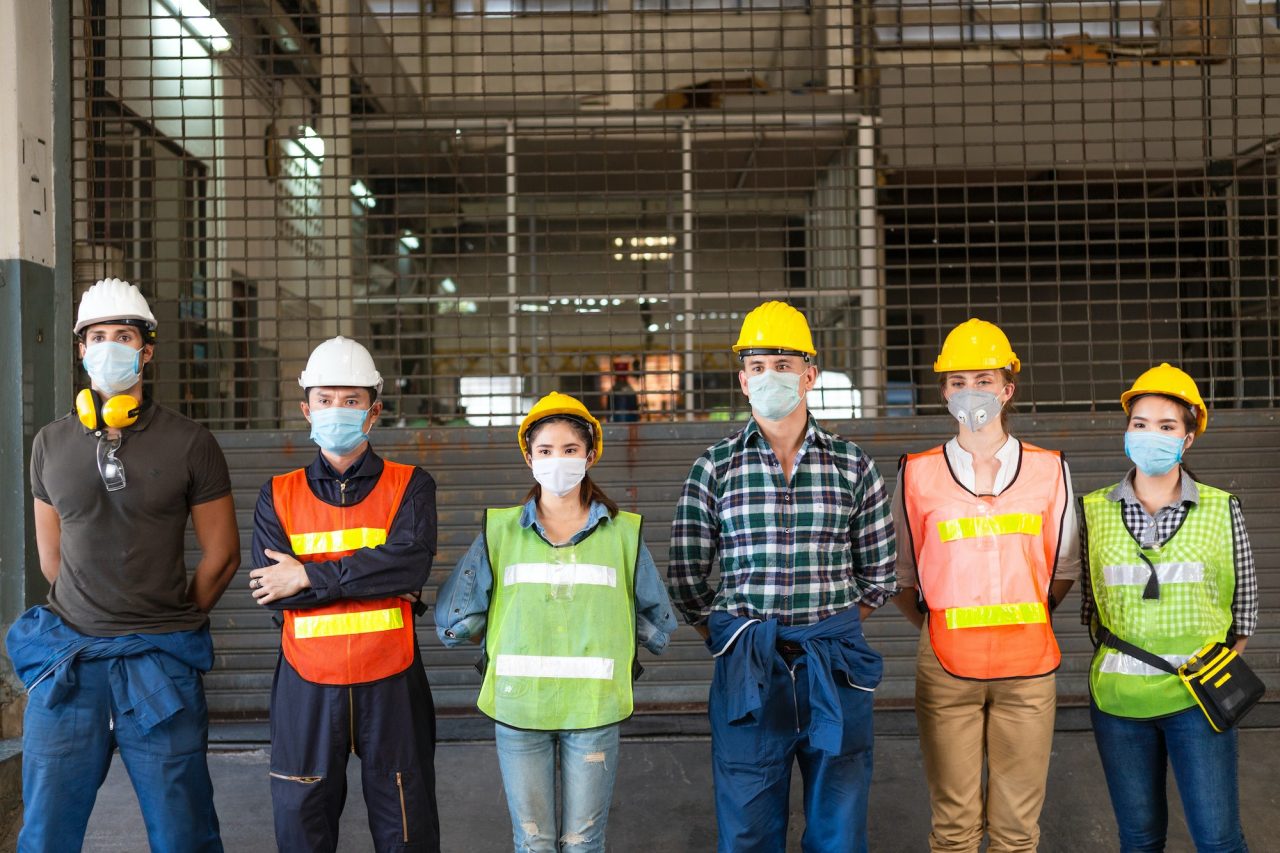
The Truth of the matter is that nobody needs to get injured while at work, and nobody needs to be answerable for another person getting injured Not-withstanding, truly accidents do occur in the work environment, and individuals do get injured, especially in working environments where there is a higher danger of injury, for example, inside the manufacturing business. Notwithstanding, that doesn’t imply that you would prefer not to attempt to guarantee that you forestall all accidents. All things considered, each time there is an accident, there’s a danger that it will end with genuine ramifications for both the individual influenced and the organization in question.
The consequences of environmental pollution is visible in severe. In recent times the world is grappling with and chronic deadly diseases; the destruction of aquatic life (both flora and fauna) has damaged the natural habitat of man and some precious irreplaceable wildlife as the world keeps getting warmer and hotter, continuous depletion of soil quality has greatly altered food production (quality and quantity), depletion of earth resources has resulted to deterioration of life cycle and expectancy and opened the door for other calamities like earthquakes, cyclones, flooding to wreck our world. Evidently, all of these have caused irreplaceable damage to humankind.

From the standpoint of NFPA 101, the occupancy type (mercantile) and loading of shopping malls directly make them a high hazardous area as the majority of the items stored are some sort of fuels and inflammable materials, alongside, the oxygen-rich environment and the high traffic of buyers in them. And even with the recent E-commerce trends, some malls have installed data centers for ease of transaction processes. All these considerations make malls a location with a potentially high fire-hazard classification area. With this knowledge of the fire hazard classifications of malls, HSE policies such as RTNs, hazardous signals, age-limit restrictions, appropriate demarcation for highly inflammable materials are to be incorporated into malls to ultimately reduce the risk of damages to HSE and assets, ensuring compliance to standards and regulatory requirements.